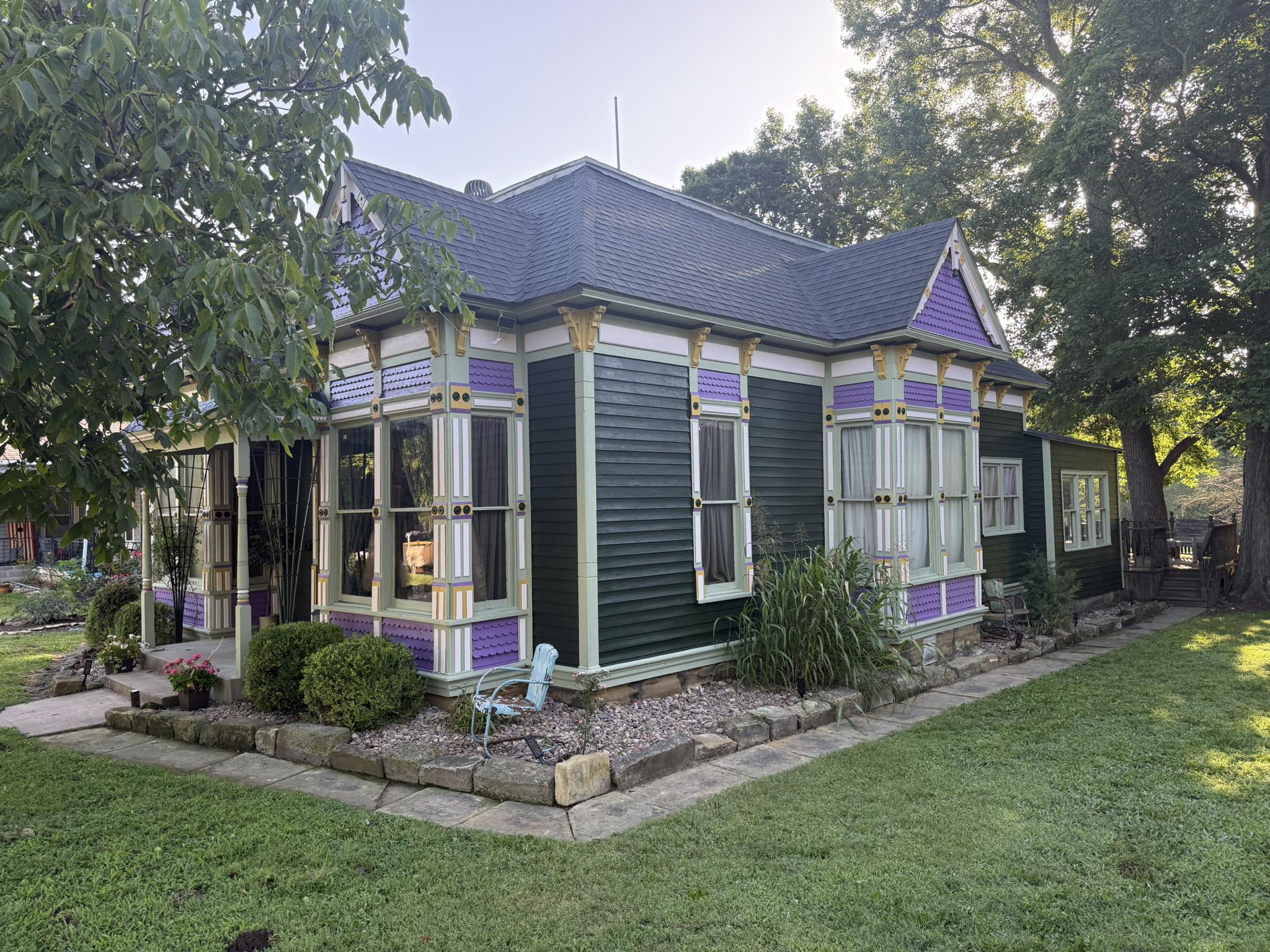
Achieving the Perfect Finish: Expert Tips on Paint Application and Care Mar 18, 2026
Understanding the surface you intend to paint is the first step toward a perfect finish. Whether you're tackling drywall or wooden surfaces, each material comes with its unique set of characteristics and requires specific preparation. For drywall, filling in any holes and sanding away imperfections ensures smoothness. Similarly, wood may need sanding and priming to seal the surface and enhance paint adhesion.
Once the surface is prepped, selecting the right type of paint and finish is crucial. Factors like room function and lighting can influence your choice. High-traffic areas benefit from durable satin or semi-gloss finishes that can withstand wear and tear, whereas a matte finish can create a cozy, inviting atmosphere in living spaces.
Application technique is another critical aspect of achieving a perfect finish. Using quality brushes and rollers can significantly influence the outcome. Brushes work well for precision around edges and corners, while rollers are ideal for covering large areas swiftly and uniformly. Employing a zigzag or 'W' pattern with the roller helps evenly distribute the paint and prevent streaks.
When it comes to applying multiple coats, patience is key. Allowing sufficient drying time between coats ensures each layer adheres properly and provides full coverage. Typically, a second coat is necessary to achieve a rich, even color. However, for dark or vibrant colors, a third coat might be desirable to avoid any underlying patchiness.
After applying the paint, proper ventilation is vital for curing. Open windows to circulate fresh air and speed up the drying process. This step is particularly important to prevent lingering odors and ensure a healthier environment in newly painted rooms.
Long-term care and maintenance keep your walls looking fresh. Regular dusting and gentle cleaning with a soft cloth and mild soap can preserve the paint's integrity. Avoid harsh scrubbing, as it can damage the finish. In areas prone to dirt, like kitchens or hallways, promptly addressing stains with spot cleaning helps maintain the wall's appearance.
Understanding when a touch-up is needed is also part of paint care. Minor chips and scuffs can detract from the overall look, but addressing them promptly keeps your walls looking well-maintained. With a steady hand, feather the paint outwards from the damaged area to blend seamlessly with the surrounding surface.
Incorporating these expert techniques can transform the way you approach painting projects, ensuring results that not only meet but exceed expectations. At Mathews Painting, we believe that a well-painted surface enhances not just the aesthetics of a space but also its overall ambiance.
In conclusion, achieving the perfect paint finish hinges on meticulous preparation, the right materials, and ongoing care. With these tips, you’re well-equipped to embark on your next painting project with confidence. Whether you're a DIY enthusiast or looking for professional assistance, Mathews Painting is here to support your journey to beautifully painted surroundings. Reach out to us for expert advice or to schedule your next interior or exterior painting project. Your perfect finish is just a brushstroke away.
/filters:no_upscale()/filters:format(webp)/media/749cd8c4-eb27-471c-983a-f41e932fc4de.jpg)
/filters:no_upscale()/filters:format(webp)/media/f22dc0ab-ec84-4bac-8f70-f0cbf7a36293.jpeg)